A diagnostic scan tool is something that many car owners have these days. It is particularly common in Australia, which has a large number of car owners. Gone are the days when people used to take their vehicle to the nearest workshop any time it developed a problem. The advent of the scanning tool has made the process of diagnosing automobile problems a breeze and made life easier for car owners not just in the country, but pretty much everywhere else in the world.
The Way It Works
An automotive scan tool, as the name itself indicates, is a tool designed to diagnose the problems in a vehicle. Modern day cars and other vehicles are computerized to a great extent. They have an onboard computer system which monitors the function of various systems in the car. Any time there is a problem with a particular system, the onboard computer makes a note of it by storing it as an error code.
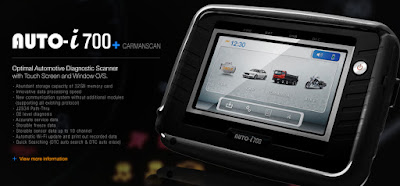
A scanning tool, when connected to the car’s onboard system, scans the entire system and displays the error codes. These tools usually come with a manual or a CD which contains the details of all the common error codes pertaining to automobiles. So, you can refer to the same to find out what the error code means and what could be the reason behind the problem.
Why It Is Needed
As a car owner, you probably feel that whenever there is a problem with your car, it needs to be fixed as soon as possible. You are right in thinking so as some problems, when left unfixed, could lead to further problems and affect your car’s performance, safety, and functionality severely. At the same time, it is not practically possible for you to take your car to a mechanic every time the check engine light starts flashing. Not only does it take time, but you also have to pay the mechanic for merely telling you what the problem is. This is where an automotive diagnostic scanner comes into the picture.
When you have a scanning tool, a trip to the nearest mechanic shop can be entirely avoided in most cases. All you have to do is plug in the tool and let it do its job. When it displays the error codes, you can check the manual and find out what the problem is. If it is a minor issue, you have two options – If you have the necessary knowhow, you can fix the problem yourself. If you do not, and if the problem is trivial enough that it does not need your immediate attention, you can let it be and get it fixed at a later, more convenient time.
You need to take your car to a mechanic only if the problem is serious enough that it demands your immediate attention. What this means is that in most cases, you will be able to save a lot of time and money, as many of the problems are minor enough that you can fix them yourself and even if you do not, you can afford to pay attention to it at your convenience, rather than spending money and getting it fixed then and there.
The Many Advantages of a Diagnostic Scan Tool
As you can clearly see, having a scanning tool can be beneficial in many ways. It can save you a lot of time and money by helping you avoid incessant trips to mechanic shops every time your car develops a problem. It can save you a great deal of frustration and stress, as you can find out what the issue is right away rather than fretting and worrying if it could be a major one.
Despite being a sophisticated piece of equipment, an automotive scan tool is easy to use. All you have to do is plug in the tool and interpret the error messages using the manual. Some of the tools available on the market today can even store live data so that you can run a scan, store the error messages, and then play them back to find out what the problem is. Some of the advanced tools can even offer you troubleshooting information and tips to help you fix the problems in your car. So, you can consider various factors like the cost of the tool, its compatibility with your car, and its functionality and then choose a scanner accordingly.
The Way It Works
An automotive scan tool, as the name itself indicates, is a tool designed to diagnose the problems in a vehicle. Modern day cars and other vehicles are computerized to a great extent. They have an onboard computer system which monitors the function of various systems in the car. Any time there is a problem with a particular system, the onboard computer makes a note of it by storing it as an error code.

A scanning tool, when connected to the car’s onboard system, scans the entire system and displays the error codes. These tools usually come with a manual or a CD which contains the details of all the common error codes pertaining to automobiles. So, you can refer to the same to find out what the error code means and what could be the reason behind the problem.
Why It Is Needed
As a car owner, you probably feel that whenever there is a problem with your car, it needs to be fixed as soon as possible. You are right in thinking so as some problems, when left unfixed, could lead to further problems and affect your car’s performance, safety, and functionality severely. At the same time, it is not practically possible for you to take your car to a mechanic every time the check engine light starts flashing. Not only does it take time, but you also have to pay the mechanic for merely telling you what the problem is. This is where an automotive diagnostic scanner comes into the picture.
When you have a scanning tool, a trip to the nearest mechanic shop can be entirely avoided in most cases. All you have to do is plug in the tool and let it do its job. When it displays the error codes, you can check the manual and find out what the problem is. If it is a minor issue, you have two options – If you have the necessary knowhow, you can fix the problem yourself. If you do not, and if the problem is trivial enough that it does not need your immediate attention, you can let it be and get it fixed at a later, more convenient time.
You need to take your car to a mechanic only if the problem is serious enough that it demands your immediate attention. What this means is that in most cases, you will be able to save a lot of time and money, as many of the problems are minor enough that you can fix them yourself and even if you do not, you can afford to pay attention to it at your convenience, rather than spending money and getting it fixed then and there.
The Many Advantages of a Diagnostic Scan Tool
As you can clearly see, having a scanning tool can be beneficial in many ways. It can save you a lot of time and money by helping you avoid incessant trips to mechanic shops every time your car develops a problem. It can save you a great deal of frustration and stress, as you can find out what the issue is right away rather than fretting and worrying if it could be a major one.
Despite being a sophisticated piece of equipment, an automotive scan tool is easy to use. All you have to do is plug in the tool and interpret the error messages using the manual. Some of the tools available on the market today can even store live data so that you can run a scan, store the error messages, and then play them back to find out what the problem is. Some of the advanced tools can even offer you troubleshooting information and tips to help you fix the problems in your car. So, you can consider various factors like the cost of the tool, its compatibility with your car, and its functionality and then choose a scanner accordingly.


